Psychosocial Support in War Zones: Why Is It a Priority?
19 Feb 2026
In war and conflict-affected areas, losses are not only physical or material — they deeply impact mental and emotional wellbeing. Children and adults endure experiences of fear, displacement, loss, and instability that can leave long-lasting psychological effects if not properly addressed.
Trauma may manifest in different ways, including:
Persistent anxiety and sleep disturbances
Sudden fear episodes or emotional outbursts
Social withdrawal
Difficulty concentrating or learning
Noticeable behavioral changes in children
Psychosocial support is not a luxury; it is a critical component of humanitarian response. Just as people need food and shelter, they also need a sense of safety, dignity, and emotional stability.
Psychosocial programs may include:
Safe individual and group counseling sessions
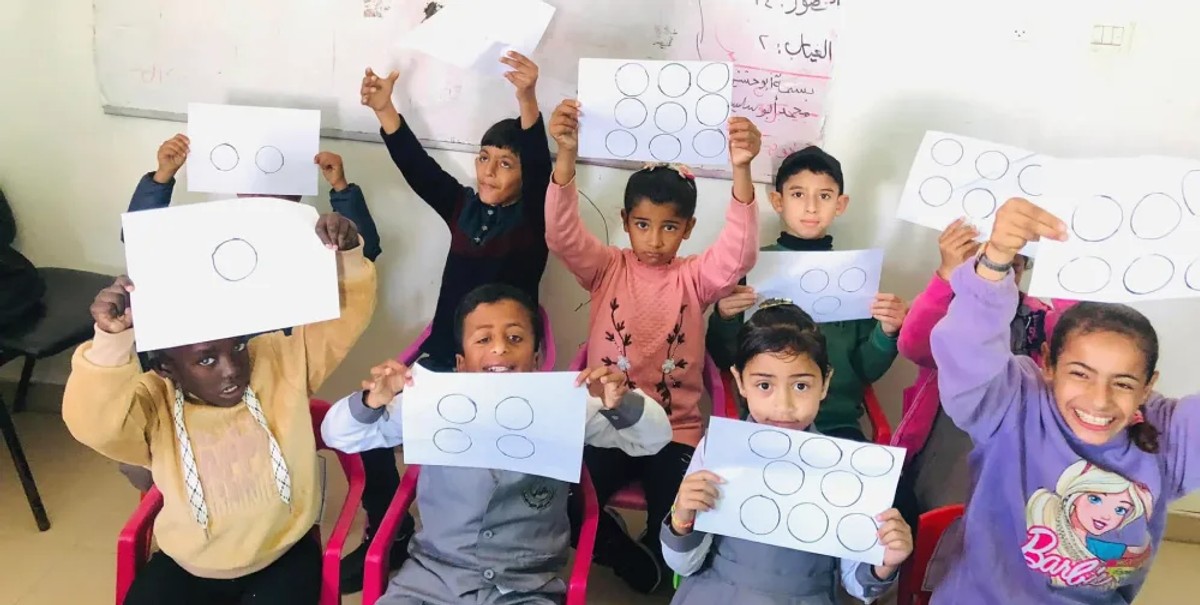
Structured recreational and emotional expression activities for children
Support for parents and caregivers
Strengthening coping mechanisms and resilience skills
When individuals are given a safe space to express their emotions, the healing process begins. Rebuilding mental wellbeing is often the first step toward rebuilding communities and restoring hope.